
 sales@abaw.ae
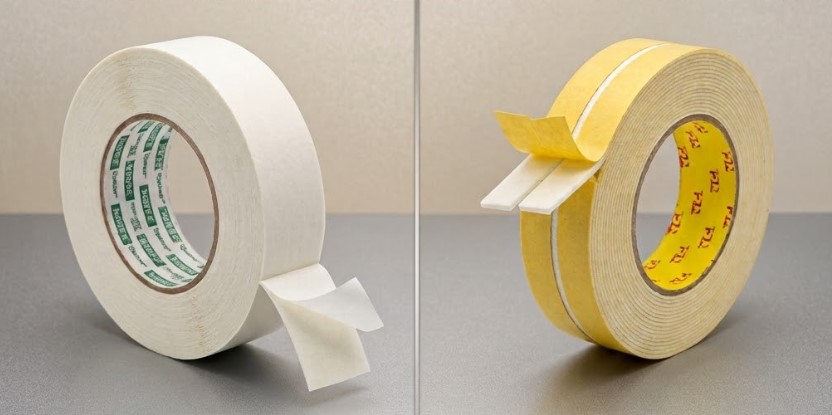
Foam tape has become an essential bonding solution across construction, automotive, signage, packaging, and DIY applications. Whether you're mounting mirrors, sealing windows, installing trims, or attaching lightweight objects, choosing the right foam tape can improve durability and reduce installation time.
One of the most common questions buyers ask is: Should I choose single sided foam tape or double sided foam tape?
While both products are made with foam backing, they serve different purposes. Understanding their differences helps you select the right tape for your project while avoiding unnecessary costs and poor performance.
What Is Foam Tape?
Foam tape is a pressure sensitive adhesive tape made with a foam core. The foam provides cushioning, sealing, vibration absorption, and flexibility, making it ideal for uneven surfaces.
Depending on the application, foam tape comes in two primary types:
 Single sided foam tape
- Double sided foam tape
Foam tape is widely used in construction, automotive, HVAC, signage, and other industrial applications because it provides reliable sealing, cushioning, vibration absorption, and insulation. As part of the broader rubber products category, it is suitable for both professional and DIY applications.
What Is Single Sided Foam Tape?
Single sided foam tape, also known as self adhesive foam tape, has adhesive on one side only, while the opposite side remains exposed as foam.
It is mainly used for sealing, insulation, cushioning, and vibration control rather than bonding two surfaces together.
Common Applications
- Door and window sealing
- Air conditioning insulation
- Weatherproofing
- Dust protection
- HVAC systems
- Cabinet cushioning
- Electrical enclosures
- Gap filling
Because only one side is adhesive, it creates a compressible seal that blocks air, moisture, dust, and noise.
What Is Double Sided Foam Tape?
Double sided foam tape, also known as mounting foam tape, features adhesive on both sides of the foam backing, allowing it to bond two surfaces together without screws, rivets, or nails.
It provides a clean appearance while distributing stress evenly across the bonded surface.
Common Applications
- Mirror mounting
- Automotive trims
- Signage installation
- Glass panels
- Plastic components
- Decorative panels
- Nameplates
- Metal fabrication
Double sided foam tape is widely used where strong, invisible bonding is required.
Single Sided vs Double Sided Foam Tape
The following comparison highlights the major differences.
Adhesive: Single sided foam tape has adhesive on one side, while double sided foam tape has adhesive on both sides.
Primary Purpose: Single sided foam tape is used for sealing and cushioning, whereas double sided foam tape is designed for permanent or semi-permanent bonding.
Installation: Single sided foam tape offers an easy peel-and-stick application, while double sided foam tape bonds two surfaces together.
Appearance: Single sided foam tape remains visible after installation, whereas double sided foam tape is hidden between surfaces.
Vibration Absorption: Both single sided and double sided foam tapes provide excellent vibration absorption.
Gap Filling: Single sided foam tape offers excellent gap-filling capability, while double sided foam tape provides good gap filling.
Mounting Objects: Single sided foam tape is generally not recommended for mounting objects, whereas double sided foam tape is ideal for mounting applications.
Waterproof Options: Waterproof versions are available for both single sided and double sided foam tapes.
Advantages of Single Sided Foam Tape
Single sided foam tape is the preferred choice when sealing is more important than structural bonding.
Key Benefits
- Excellent weather resistance
- Reduces air leakage
- Blocks dust and moisture
- Provides thermal insulation
- Absorbs vibration
- Easy to install
- Flexible on uneven surfaces
- Available in various thicknesses
Because of its compressible foam core, it performs well in doors, windows, cabinets, and HVAC systems.
Advantages of Double Sided Foam Tape
Double sided foam tape replaces traditional mechanical fasteners in many industrial applications.
Major Benefits
- Strong bonding strength
- Clean appearance without visible fasteners
- Fast installation
- Reduces drilling and surface damage
- Excellent shock absorption
- Suitable for indoor and outdoor use
- Bonds metal, glass, wood, acrylic, and plastic
Many manufacturers use double sided foam tape to improve production speed while maintaining product aesthetics.
Which Foam Tape Is Stronger?
When discussing bonding strength, double sided foam tape is significantly stronger because adhesive is applied on both sides.
Single sided foam tape is designed primarily for sealing rather than load bearing applications.
If your project involves attaching objects to walls, glass, metal, or plastic surfaces, double sided foam tape is the better option.
How to Choose the Right Foam Tape
Before purchasing foam tape, consider the following factors.
1. Purpose
Ask yourself whether you need sealing or bonding.
Choose single sided foam tape for:
- Weather sealing
- Sound insulation
- Cushioning
- Gap filling
Choose double sided foam tape for:
- Mounting
- Permanent bonding
- Decorative installations
- Industrial assembly
2. Surface Material
Different adhesives perform better on different materials.
Compatible surfaces include:
- Glass
- Aluminium
- Stainless steel
- Plastic
- Painted surfaces
- Wood
- Ceramic
Always ensure surfaces are clean and dry before application.
3. Indoor or Outdoor Use
Outdoor applications require UV resistant and weatherproof adhesive.
High quality acrylic foam tapes generally perform better outdoors than standard rubber adhesive tapes.
4. Temperature Resistance
Temperature can significantly affect adhesive performance, especially in outdoor or industrial environments.
Choose foam tape specifically rated for:
- Heat resistance
- Cold storage
- Humidity
- UV exposure
5. Foam Thickness
Thicker foam provides:
- Better gap filling
- Greater vibration absorption
- Improved sealing
Thinner foam provides:
- Cleaner appearance
- Higher holding power on flat surfaces
Industries That Use Foam Tape
Foam tape is widely used across multiple industries.
Construction
- Window installation
- Glass sealing
- Roofing
- Insulation
Automotive
- Side moldings
- Badges
- Weather seals
- Interior trims
Electronics
- Display assembly
- Component cushioning
- Cable management
Furniture
- Mirror mounting
- Decorative panels
- Cabinet protection
Signage
- Acrylic signs
- Metal nameplates
- Exhibition displays
Choosing a reliable foam tape supplier that UAE businesses trust helps ensure consistent adhesion, product quality, and long-term performance for industrial and commercial applications.
Common Mistakes to Avoid
Using the wrong foam tape often leads to early failure.
Avoid these mistakes:
- Choosing sealing tape for mounting applications
- Applying tape on dirty surfaces
- Ignoring temperature ratings
- Using insufficient tape length
- Applying pressure unevenly
- Overloading double sided tape beyond its weight capacity
- Removing the liner before positioning the tape.
- Proper surface preparation significantly improves adhesive performance.
Conclusion
Choosing between single sided and double sided foam tape depends on your application. If you need a reliable solution for sealing gaps, reducing vibration, or improving insulation, single sided foam tape is the better option. For mounting, bonding, and achieving a clean, professional finish, double sided foam tape provides stronger adhesion and long lasting performance.
Whether you're working on construction, automotive, signage, or industrial projects, selecting the right foam tape helps improve durability, efficiency, and installation quality. Al Burhan Al Wadeh supplies a wide range of industrial products and solutions to support various applications across the UAE.
If you need assistance choosing the right product for your requirements, visit our Contact Us page and our team will be happy to provide expert advice and product recommendations.
Explore More Expert Insights
Discover Product Guides from Trusted UAE Suppliers: Plan your next project with confidence.
- I Tested 5 Polyurethane Wheels Under Load: Here’s the Results: Real-world performance insights
- How to Choose the Right Rubber Sheet for Your Application: Expert tips for selecting durable and suitable rubber for your project.
- Types of Industrial Rubber Sheets and Applications: A complete guide to rubber sheet varieties and their real-world uses.
- Rubber vs Polyurethane Caster Wheels for UAE Floor Types: Choosing the right wheel material for durability, safety, and performance.
- HDPE vs UHMWPE: Which Plastic Sheet Should You Choose: Choosing the Right Plastic Sheet for Your Needs.