
 sales@abaw.ae
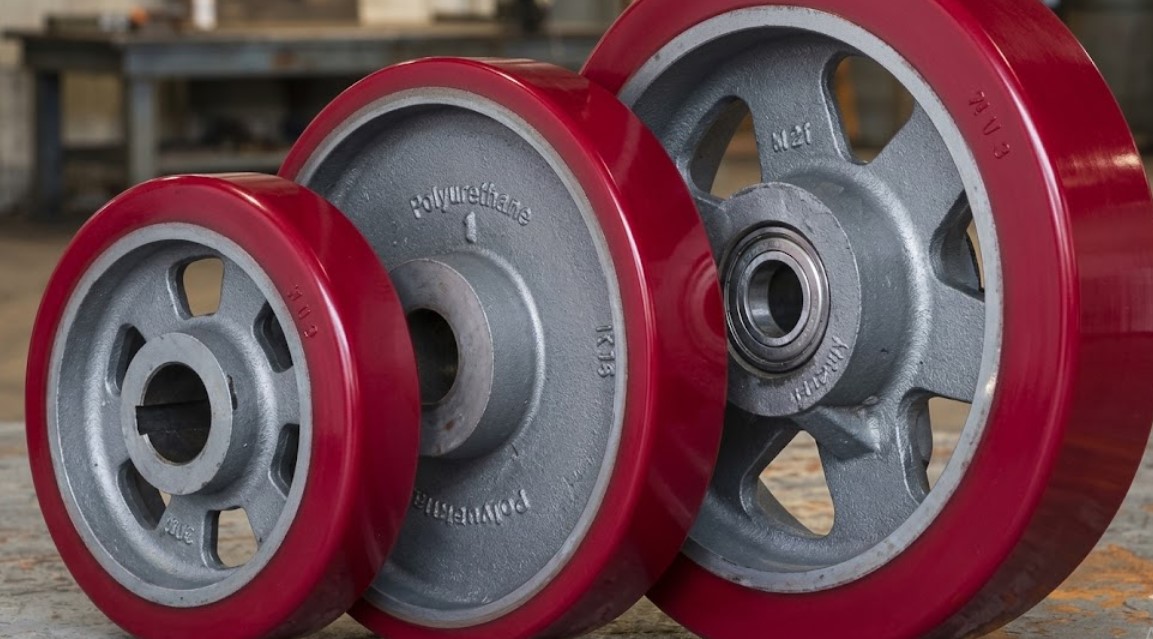
Choosing the right wheels for industrial carts, equipment, or heavy-duty applications isn’t just about size or cost. The material matters, especially when wheels are expected to perform under load.
Polyurethane wheels are a popular choice for their durability, high load capacity, low rolling resistance, and floor protection. Not all polyurethane wheels are created equal. Their performance under load can vary depending on material formulation, design, and application.
In this blog, I tested five popular polyurethane wheels and compared metrics like load capacity, wear resistance, rolling resistance, floor protection, and overall handling to help you make an informed choice.
Why Polyurethane Wheels Matter
Before diving into the test results, it’s important to understand what makes polyurethane wheels a preferred choice in industrial environments. Polyurethane (often abbreviated PU) is a synthetic elastomer that combines many of the benefits of rubber such as shock absorption and traction with the durability and load handling of harder plastics.
Compared to rubber wheels, polyurethane wheels often deliver higher load capacities, longer lifespan, and better resistance to abrasion, chemicals, and wear. In heavy-duty industrial settings, those attributes reduce downtime and maintenance costs and improve overall equipment reliability.
How the Testing Was Structured
The goal of this experiment was to put each wheel through the same load scenarios and measure:
 Static load capacity: how much weight the wheel can support without permanent deformation
- Rolling resistance: the effort required to move the wheel under load
- Wear and abrasion resistance: how well the wheel held up over repeated cycles
- Floor performance: whether the wheel protected flooring (non-marking and minimal surface damage)
All wheels were mounted on identical caster assemblies and tested on a smooth concrete surface to reduce environmental variation.
Wheel 1: Standard Industrial PU Wheel
Performance Summary
The standard industrial PU wheel excelled in load capacity and wear resistance. Under a heavy static load, it remained dimensionally stable and showed negligible flattening. Rolling resistance remained low even at higher weight levels.
Key Observations
- Supported heavy loads without permanent deformation
- Maintained smooth roll under dynamic load conditions
- Showed high abrasion resistance after extended cycles
Best For: General industrial use, warehouse carts, and heavy-load trolleys.
Wheel 2: High Durometer PU Wheel
High durometer polyurethane wheels are formulated to be harder and stiffer, trading some shock absorption for increased load capacity. According to material science data, higher durometer ratings improve load tolerance and abrasion resistance.
Performance Summary
This wheel held the highest load capacity among the test subjects but felt slightly firmer under stress and transferred more vibration through the frame.
Key Observations
- Excellent load tolerance and stood up to the maximum rated weights
- Slightly harsher feel under load due to reduced elasticity
- Aggressive wear resistance in high-cycle tests
Best For: Heavy machinery, high-capacity material handlers, and industrial vehicles.
Wheel 3: Dual Compound PU Wheel (Shock and Load Balance)
Dual compound polyurethane wheels combine a harder load-bearing core with a slightly softer tread surface. The aim is to balance load handling with shock absorption without sacrificing longevity.
Performance Summary
This wheel performed well across categories, offering balanced load capacity and some shock damping.
Key Observations
- Managed heavy loads without flattening
- Better impact absorption than high durometer models
- Slight improvement in rolling smoothness
Best For: Applications that see moderate roughness in terrain or frequent starts and stops.
Wheel 4: Economical PU Wheel
Budget polyurethane wheels can vary widely in quality. Some sacrifice formulation precision for lower cost, which may result in reduced performance under extended heavy loads.
Performance Summary
This wheel performed adequately under moderate loads but showed early signs of wear and slight compression under higher weights.
Key Observations
- Good performance under light to medium loads
- Greater flattening under prolonged heavy loading
- Slight increase in rolling effort over time
Best For: Light industrial carts or equipment with moderate load requirements.
Wheel 5: Premium Abrasion Resistant PU Wheel
This wheel featured a specialized PU compound tailored for maximum abrasion resistance and was marketed toward environments with rough floors or frequent debris.
Performance Summary
It offered the best wear resistance and surface protection. Under load, it delivered consistent rolling performance and resisted signs of abrasion longer than other wheels.
Key Observations
- Outstanding durability on rough surfaces
- Maintained load stability under dynamic cycling
- Slightly higher rolling resistance than standard wheels
Best For: Harsh environments like fabrication floors or loading docks.
Key Metrics Compared
- Standard PU: High load, high wear resistance, low effort, non-marking
- High Durometer PU: Very high load & wear, moderate effort, floor friendly
- Dual Compound PU: High load & wear, low effort, non-marking
- Economical PU: Moderate load & wear, higher effort, non-marking
- Premium Abrasion PU: High load, highest wear, moderate effort, best protection
What the Results Tell Us
Across all tests, polyurethane wheels consistently outperformed typical rubber wheels in load capacity and wear life. In industrial settings where equipment carries repeated heavy loads, polyurethane is widely recommended over rubber due to its higher load tolerance, extended service life, and lower long-term cost.
However, the choice is not one-size-fits-all. The right PU wheel depends on your environment and operational priorities:
- Need maximum load capacity? High durometer PU wheels are ideal
- Want a balance of comfort and performance? Dual compound wheels are the best choice
- Floor preservation is critical? Premium abrasion resistant options offer superior protection
- On a budget? Standard PU wheels still outperform many rubber alternatives
Practical Tips for Buyers
When selecting polyurethane wheels for loaded applications, consider these factors:
- Durometer Rating: Harder compounds hold heavier loads but may transmit more vibration
- Wheel Diameter: Larger wheels distribute load better and roll more smoothly over imperfections
- Bearing Quality: Precision bearings improve roll efficiency and lifespan
- Environmental Conditions: Chemical exposure or moisture may favor certain PU formulations
- Load Distribution: Always calculate required load per wheel with a safety margin
For industrial carts, trolleys, and equipment, choosing the right caster wheels ensures reliable performance under load, protects flooring, and reduces maintenance costs.
AI Overview
Discover the performance of 5 polyurethane wheels under heavy load, comparing durability, wear resistance, rolling ease, and floor protection for industrial and warehouse applications.
FAQs
Are polyurethane wheels good?
Yes, polyurethane wheels are highly durable, support heavy loads, and resist wear, abrasion, and chemicals. They are ideal for industrial, warehouse, and heavy-duty applications.
What is the rolling resistance of polyurethane wheels?
Polyurethane wheels offer low rolling resistance, making it easier to move heavy loads efficiently. Resistance varies with wheel hardness, diameter, and load applied.
What are the disadvantages of polyurethane rubber?
Polyurethane can be more expensive than standard rubber and may transmit more vibration. Extreme heat or prolonged exposure to certain chemicals can affect its performance.
What is the difference between rubber and polyurethane wheels?
Rubber wheels provide better shock absorption and quieter operation on rough surfaces. Polyurethane wheels handle heavier loads, resist wear, and protect flooring more effectively.
Final Thoughts
Testing these five polyurethane wheels under load clearly shows why they are ideal for industrial and warehouse applications. Each wheel demonstrated differences in load capacity, wear resistance, rolling performance, and floor protection, making it essential to choose the right type for your specific operational needs.
Investing in high-quality PU wheels ensures smoother handling, longer lifespan, and reduced maintenance costs for your equipment.
For high-performance polyurethane wheels and expert guidance, you can explore trusted solutions from Al Burhan Al Wadeh (ABAW), helping you achieve reliable, efficient, and professional results for your industrial and warehouse operations across the UAE and Middle East.
Contact industrial caster wheel experts to source the right products and support your operations with top performance from ABAW.
Explore More Expert Insights
Discover Product Guides from Trusted UAE Suppliers: Plan your next project with confidence.
- Common Trim Seal Installation Mistakes and How to Avoid: Avoid costly errors with expert trim seal installation tips.
- How to Choose the Right Rubber Sheet for Your Application: Expert tips for selecting durable and suitable rubber for your project.
- How UAE Rubber Suppliers Are Going Green: Discover sustainable rubber solutions shaping the future of UAE industries.
- Types of Industrial Rubber Sheets and Applications: A complete guide to rubber sheet varieties and their real-world uses.
- Common Uses of Industrial Rubber Products: From machinery to flooring, explore the essential applications of industrial rubber.
- Rubber vs Polyurethane Caster Wheels for UAE Floor Types: Choosing the right wheel material for durability, safety, and performance.