
 sales@abaw.ae
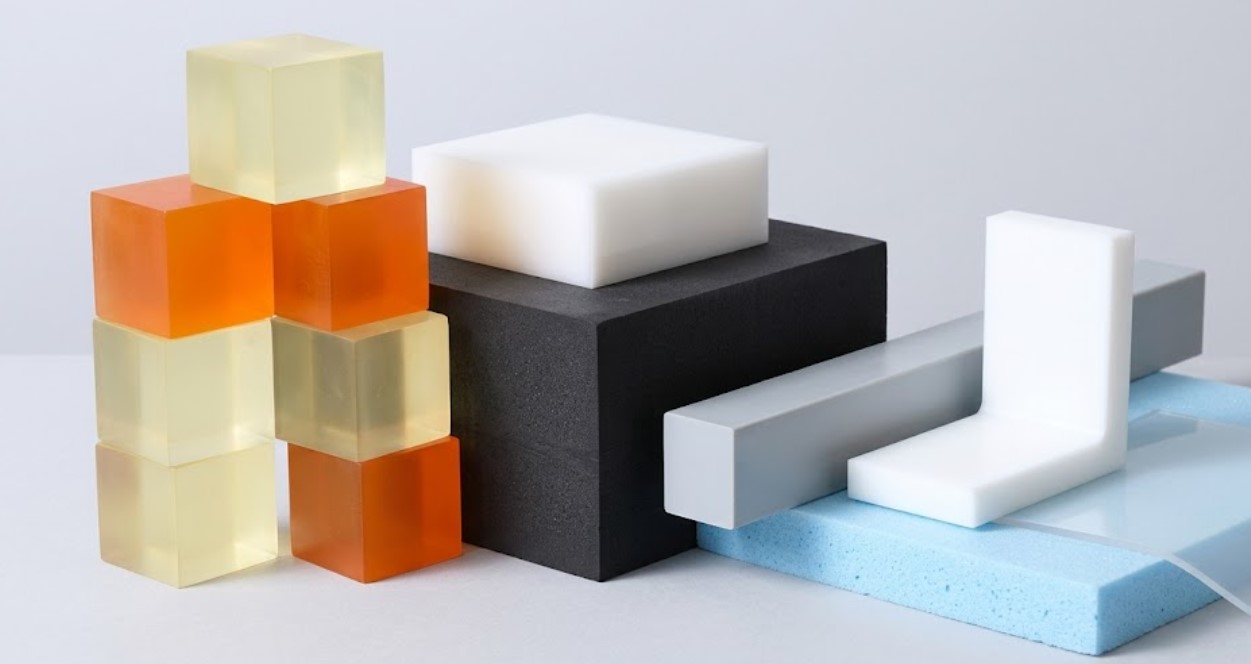
The rapid evolution of robotics and automation has intensified the demand for materials that combine durability, flexibility, precision, and cost efficiency. Among the various advanced materials available today, polyurethane has emerged as a preferred choice across industrial, service, and medical robotics.
Polyurethane stands out due to its adaptable properties, making it ideal for robotic grippers, wheels, sensors, and protective applications.
This article explores why polyurethane is considered ideal for robotics and automation, supported by technical insights, real-world examples, and expert-level analysis.
Understanding Polyurethane as an Engineering Material
Polyurethane is a class of polymers formed by reacting polyols and isocyanates, resulting in materials that can vary from soft elastomers to rigid plastics.
Key Material Characteristics
 High elasticity and flexibility
- Strong tensile and tear resistance
- Excellent abrasion and wear resistance
- Chemical and oil resistance
- Customizable hardness and density
These properties form the foundation of polyurethane’s effectiveness in robotics systems.
Core Advantages of Polyurethane in Robotics
1. Exceptional Durability and Wear Resistance
Robotic systems operate continuously under repetitive stress, friction, and environmental exposure. Polyurethane offers superior resistance to abrasion compared to traditional materials like rubber, ensuring longer component life.
Key Insight
- Polyurethane components such as wheels and rollers can withstand heavy-duty cycles without rapid degradation.
Impact on Automation
- Reduced maintenance cycles
- Lower operational downtime
- Increased ROI for industrial robotics
2. High Load-Bearing Capacity and Strength
Polyurethane exhibits excellent load-bearing properties, making it ideal for heavy-duty robotic applications such as automated guided vehicles and industrial manipulators.
Case Example
- Polyurethane suction cups and grippers maintain structural integrity even under high loads and abrasive contact environments.
Expert Perspective
In high-throughput manufacturing environments, material failure is a major cost driver. Polyurethane minimizes this risk by maintaining performance under mechanical stress.
3. Superior Shock Absorption and Energy Dissipation
Robotic systems often encounter impacts, vibrations, and sudden load changes. Polyurethane’s elastic nature allows it to absorb and dissipate energy efficiently.
Data Insight
- Advanced TPU structures used in robotic joints can absorb over 90% of impact energy, significantly reducing mechanical damage.
Application Areas
- Robotic joints and actuators
- Autonomous mobile robots
- Collaborative robots working alongside humans
4. High Grip and Friction Control
Robotic manipulation requires precise control over grip and traction. Polyurethane provides both high-friction and low-friction variants, enabling engineers to optimize performance based on application needs.
Examples
- High-friction grippers for delicate object handling
- Low-friction rollers for smooth conveyor systems
Business Benefit
Improved grip reduces slippage, enhancing precision and minimizing errors in automated processes.
5. Chemical and Environmental Resistance
Industrial robots often operate in harsh environments involving oils, solvents, moisture, and extreme conditions. Polyurethane maintains stability where traditional elastomers degrade.
Key Advantages
- Resistant to petrochemicals and oils
- Suitable for outdoor and underwater robotics
- Corrosion-resistant protective coatings
Case Breakdown
- Underwater robots use polyurethane seals to prevent water ingress and corrosion.
6. Lightweight Yet Strong Structure
Weight plays a critical role in robotic efficiency, energy consumption, and mobility. Polyurethane offers an optimal balance between strength and lightweight design.
Insight
- Lightweight polyurethane composites improve robot agility while maintaining structural integrity.
Application
- Humanoid robots
- Drones and mobile robots
- Wearable robotic systems
7. Customization and Design Flexibility
One of the most significant advantages of polyurethane is its adaptability. Engineers can modify its hardness, elasticity, and conductivity during manufacturing.
Manufacturing Techniques
- Cast molding for custom robotic parts
- Additive manufacturing integration
- Layered material design for robotic skin
Example Applications
- Custom grippers tailored to specific objects
- Precision seals and gaskets
- Shock-absorbing pads and bumpers
8. Enhanced Performance in Robotic Sensors
Polyurethane is increasingly used in tactile sensors, a critical component for advanced robotics.
Research Insight
- Polyurethane-based sensors demonstrate higher durability and broader force range compared to silicone alternatives.
Trade-Off
- Slightly lower sensitivity at low forces
- Significantly improved robustness under high loads
Implication
This makes polyurethane ideal for industrial robots that require durability over ultra-sensitive feedback.
9. Self-Healing and Smart Material Capabilities
Recent advancements in material science have introduced self-healing polyurethane systems.
Data Insight
- Some polyurethane materials can recover over 80–95% of their mechanical properties after damage through dynamic bonding mechanisms.
Future Impact
- Reduced maintenance costs
- Longer lifecycle of robotic components
- Increased reliability in autonomous systems
10. Cost Efficiency and Lifecycle Benefits
Although initial material costs may vary, polyurethane offers significant long-term savings.
Economic Benefits
- Lower replacement frequency
- Reduced maintenance costs
- Increased system uptime
Industrial Insight
Continuous automation systems benefit from materials that reduce operational interruptions, making polyurethane a cost-effective solution over time.
Applications of Polyurethane in Robotics
Common Use Cases
- Wheels and rollers: Used in mobility systems for smooth movement, durability, and load handling.
- Robotic grippers and clamps: Provide high grip and precision for object handling and manipulation.
- Seals, gaskets, and coatings: Ensure protection against dust, moisture, and chemicals.
- Shock absorbers and dampers: Reduce vibration and absorb impact in robotic systems.
- Robotic skin and tactile sensors: Enable touch sensing and safe human-robot interaction.
Industry Examples
- Industrial automation: Applied in assembly lines for efficiency and continuous operations.
- Medical and surgical robotics: Used in precision tools and flexible components for safe procedures.
- Logistics and warehouse robotics: Supports automated handling, sorting, and transport systems.
- Autonomous vehicles and drones: Enhances durability, flexibility, and lightweight performance.
Limitations and Considerations
Despite its advantages, polyurethane is not without limitations.
Key Challenges
- Reduced thermal stability at very high temperatures
- Potential trade-off between sensitivity and durability in sensors
Engineering Approach
Material selection should be aligned with application-specific requirements, especially in high-temperature environments.
Future Trends in Polyurethane for Robotics
Emerging Innovations
- Shape memory polyurethane for adaptive robotics
- Conductive polyurethane for smart sensors
- Biocompatible polyurethane for medical robotics
Strategic Outlook
As robotics moves toward human-like interaction and autonomous decision-making, materials like polyurethane will play a critical role in enabling flexibility, resilience, and intelligence.
How to Choose the Right Polyurethane for Robotics
Selecting the right type of polyurethane is crucial for optimal performance.
Factors to Consider
- Load capacity requirements
- Operating environment
- Temperature range
- Chemical exposure
- Desired hardness level (durometer)
Best Practice
Work with material specialists or manufacturers who can customize polyurethane based on your exact application.
AI Overview
Polyurethane is a high-performance material ideal for robotics and automation due to its durability, flexibility, load capacity, and resistance to wear, chemicals, and noise, ensuring efficient and long-lasting system performance.
FAQs
What are the advantages of polyurethane material?
Polyurethane offers high durability, load-bearing capacity, and resistance to wear and chemicals. It provides flexibility, shock absorption, and customizable properties for industrial use.
What is the best material for a robot?
The best material depends on the application, but polyurethane is widely used. Metals and plastics are also used, but polyurethane reduces wear and noise.
What is polyurethane material used for?
Polyurethane is used in wheels, rollers, seals, and grippers in robotics. It is also applied in manufacturing and machinery due to its versatility.
Is polyurethane better than engineering plastic?
Polyurethane is better in applications needing flexibility, abrasion resistance, and shock absorption. Engineering plastics perform better in rigid roles but lack polyurethane’s resilience.
Conclusion
Polyurethane stands out as a high-performance material that effectively meets the demands of modern robotics and automation. Its durability, flexibility, and resistance to wear and chemicals make it ideal for critical components, improving efficiency while reducing maintenance and downtime.
As industries continue to adopt advanced automation, polyurethane remains a future-ready solution for reliable and scalable systems. For high-quality polyurethane components and expert industrial support, businesses can rely on Al Burhan Al Wadeh (ABAW) to deliver durable, efficient, and application-specific solutions for robotics and automation.
Contact our polyurethane component experts to source high-performance solutions and ensure reliable, efficient automation with ABAW.
Explore More Expert Insights
Discover Product Guides from Trusted UAE Suppliers: Plan your next project with confidence.
- I Tested 5 Polyurethane Wheels Under Load: Here’s the Results: Real-world performance insights from heavy-load testing of polyurethane wheels.
- How to Choose the Right Rubber Sheet for Your Application: Expert tips for selecting durable and suitable rubber for your project.
- Types of Industrial Rubber Sheets and Applications: A complete guide to rubber sheet varieties and their real-world uses.
- Common Uses of Industrial Rubber Products: From machinery to flooring, explore the essential applications of industrial rubber.
- Rubber vs Polyurethane Caster Wheels for UAE Floor Types: Choosing the right wheel material for durability, safety, and performance.