
 sales@abaw.ae
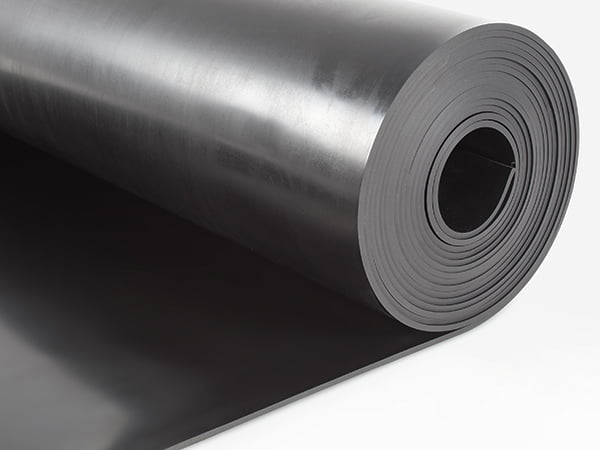
Neoprene rubber sheet is one of the most versatile materials in modern industry, widely used in automotive, construction, marine, and electronics applications. Known for its durability and resistance to chemicals, it provides reliable protection in demanding environments.
This guide covers types, properties, applications, and practical tips to help professionals make informed decisions.
What is a Neoprene Rubber Sheet?
Polychloroprene is the synthetic rubber behind neoprene sheets. Unlike natural rubber, it maintains elasticity and strength under extreme temperatures, chemical exposure, and UV radiation. Industries rely on neoprene sheets for gaskets, seals, vibration dampers, and protective coverings.
Manufactured through polymerization and vulcanization, neoprene sheets come in various densities, finishes, and thicknesses. They can be cut, laminated, or molded to meet specific industrial applications.
Key Properties of Neoprene Rubber Sheet
Temperature resistance makes neoprene sheets suitable for environments ranging from –40°C to +120°C. Combined with moisture resistance, this property allows it to perform well in harsh conditions.
The chemical resistance of neoprene protects against oils, fuels, acids, and alkalis. For example, automotive gaskets withstand engine oil and coolant without cracking or deteriorating.
Flexibility allows neoprene sheets to bend and compress without permanent deformation. This makes it ideal for vibration dampers and seals that require constant movement.
Types of Neoprene Rubber Sheet
Standard Neoprene Sheet
Standard neoprene sheet is ideal for general industrial applications, including waterproofing, floor mats, and construction projects where moderate chemical resistance is sufficient.
High-Grade Neoprene Sheet
High-grade neoprene sheets provide enhanced mechanical properties, higher tensile strength, and compression resistance, suitable for heavy machinery gaskets.
Foam Neoprene Sheet
Foam neoprene sheet offers thermal insulation and soundproofing. Electronics enclosures and HVAC systems benefit from its vibration absorption.
Flame-Retardant Neoprene Sheet
Flame-retardant neoprene sheet is engineered for fire-resistant applications in construction, aerospace, and industrial machinery.
FDA-Approved Neoprene Sheet
FDA-approved neoprene sheet ensures compliance in food processing, pharmaceuticals, and medical devices, where hygiene and safety are critical.
Advantages of Using Neoprene Rubber Sheet
--Durability is a key reason industries prefer neoprene sheets. Its weather and UV resistance ensure long-term performance outdoors.
--Shock absorption protects mechanical components from vibration and wear, which is especially useful in automotive and industrial machinery.
--Customizability in thickness and density allows tailored solutions for insulation, padding, and sealing applications.
--Chemical resistance ensures neoprene maintains integrity even when exposed to oils, fuels, and other industrial chemicals.
The durability and chemical resistance of neoprene sheets are best realized when purchased from trusted sources. Check reliable rubber suppliers in UAE for premium sheets that meet industrial standards.
Applications of Neoprene Rubber Sheet
Automotive Gaskets
Automotive gaskets rely on neoprene sheets to seal engines and components, enduring heat, pressure, and chemical exposure without failure.
Waterproofing Membranes
Waterproofing membranes in construction use neoprene sheets for durability and flexibility under variable weather conditions.
Marine Applications
Marine applications like boat covers and dock fenders benefit from neoprene’s resistance to UV rays and saltwater corrosion.
Electronics and HVAC
Foam neoprene sheets in electronics reduce vibration damage in server racks and electrical panels, ensuring operational stability.
Medical and Food Equipment
Medical and food equipment use FDA-approved neoprene sheets to meet strict hygiene and regulatory standards. For marine and automotive projects, selecting the right neoprene sheet is crucial.
Explore top neoprene rubber sheet suppliers in UAE to access sheets designed for gaskets, seals, and vibration dampers.
How to Select the Right Neoprene Sheet
--Environmental conditions such as temperature and UV exposure must guide your selection. Using the wrong material can lead to premature failure.
--Mechanical requirements like compression, tensile strength, and flexibility are crucial for gaskets, vibration dampers, and insulation.
--Chemical exposure should determine the sheet grade, ensuring it withstands oils, acids, fuels, or cleaning agents.
--Industry compliance such as FDA certification may be mandatory for medical and food applications. Contact our experts to request a quote for customized solutions.
Maintenance Tips for Neoprene Rubber Sheet
Proper storage conditions are essential for extending the life of neoprene sheets. Keep them in cool, dry environments away from direct sunlight to prevent premature aging.
Cleaning practices play a key role in maintaining durability. Use mild detergents and avoid harsh chemicals that could degrade the material over time.
Regular inspections are crucial to ensure consistent performance. Check for signs of wear, cracking, or deformation to prevent costly downtime and maintain reliability in industrial applications.
AI Overview
Discover the ultimate guide to neoprene rubber sheet, covering types, properties, and industrial applications, with expert tips for selecting durable, chemical-resistant, and versatile sheets.
FAQs
What is neoprene rubber sheet used for?
Neoprene rubber sheet is used for gaskets, seals, vibration dampers, insulation, and waterproofing in automotive, marine, and industrial applications.
How long does a neoprene sheet last?
With proper care, neoprene sheets can last up to 10 years, maintaining flexibility, chemical resistance, and durability under harsh conditions.
Can neoprene withstand heat and chemicals?
Yes, neoprene rubber sheet resists temperatures from –40°C to +120°C and remains durable against oils, fuels, acids, and other industrial chemicals.
What industries use neoprene sheets?
Industries like automotive, construction, marine, electronics, food processing, and medical equipment rely on neoprene sheets for reliable protection and insulation.
Conclusion
Neoprene rubber sheet is a versatile and durable material ideal for industrial, automotive, marine, and medical applications. Knowing the right type and properties ensures reliable performance and longevity.
From standard to FDA-approved and flame-retardant sheets, proper selection and maintenance maximize efficiency and reduce costs. If you are a manufacturer, supplier, or industrial professional seeking high-quality neoprene sheets that meet strict performance standards, ABAW is a trusted provider.
Contact rubber expert team today for expert guidance and choose the perfect solution with confidence.
Explore More Expert Insights
Discover guides on rubber, polyurethane, metal, plastic, and wheels from trusted suppliers for your next project.
- Best Wheels & Casters for the Medical Industry: Durable, high-performance wheels for healthcare and medical facilities.
- Ultimate Guide to Caster Wheels: Selection and Applications: Smart caster wheel selection for smoother movement performance.
- Types of Industrial Rubber Sheets and Applications: A quick guide to industrial rubber sheet types and their practical uses.
- Polyurethane vs Rubber: What is the Difference? - Understand the Key Differences Between Rubber and PU.
- Common Uses of Industrial Rubber Products - Explore the Common Uses of Industrial Rubber Products Effectively.