
 sales@abaw.ae
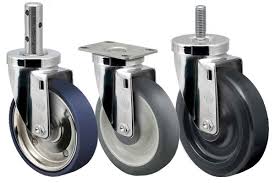
Caster wheels are essential components used across warehouses, logistics, hospitals, restaurants and industrial machinery. When a caster wheel begins to fail, the result is reduced efficiency, increased friction, equipment instability and potential safety risks.
Most users experience common issues like caster wheel not rolling, caster wheel wobbling, caster wheel won’t swivel, caster wheel noise, or premature caster wheel failure.
Understanding these problems and addressing their root causes helps extend wheel life and maintain smooth equipment movement.
Caster Wheel Not Rolling Smoothly
One of the most reported issues is when the caster wheel is not rolling properly. This generally happens when dirt, threads, hair or debris accumulate around the axle and restrict movement. The wheel tread may also wear out, causing flat spots that create resistance.
Worn bearings are another contributor to rolling problems, especially in industrial environments where equipment is heavily used. Cleaning the wheel thoroughly, removing trapped debris and applying caster wheel lubrication usually restores smooth operation.
When flat spotting or bearing damage becomes excessive, replacing the caster with a heavy-duty caster wheel becomes necessary. Routine cleaning and proper load distribution significantly reduce rolling resistance.
Caster Wheel Not Swivelling Properly
A common challenge seen in both home and industrial carts is the caster wheel won’t swivel issue. When the swivel head is jammed, the wheel cannot rotate, making equipment difficult to maneuver. This usually occurs when dirt collects inside the swivel raceway, making the mechanism stiff.
In other cases, the kingpin may bend due to heavy impact, or the swivel bearings may wear out over time. Cleaning the raceway, applying lubrication and replacing worn bearings generally solves the problem. If the kingpin is bent, the safest fix is replacing the entire swivel caster.
Moisture-prone spaces should use stainless steel or corrosion-resistant polyurethane casters to reduce future swivel issues.
Caster Wheel Wobbling During Movement
A caster wheel wobbling or shaking during use is a sign of instability or misalignment. This often results from loose mounting bolts, uneven mounting plates or damaged bearings that cause the wheel to shift under load. A wobbling caster increases the risk of tipping and reduces cart stability.
Ensuring the mounting hardware is tight and aligned usually resolves the issue. If instability continues, replacing the wheel with a high-quality bearing design is recommended. Environments with uneven floors or heavy loads benefit greatly from reinforced industrial casters that provide stability and accuracy.
Caster Wheels Producing Excessive Noise
Another frequent concern is caster wheel noise, especially in hospitals, hotels, offices and clean environments where quiet movement is essential. Noise problems typically occur due to damaged treads, hard wheels rolling on hard flooring, dry bearings or metal-on-metal contact. Applying lubrication reduces friction and lowers noise levels.
However, for long-term silence, users should switch to rubber or polyurethane caster wheels, as these materials absorb vibration and move smoothly across hard surfaces without generating sound.
Heat Build-Up in Caster Wheels
Continuous heavy-load operations can generate heat build-up in caster wheels, especially when equipment moves non-stop or at high speeds. Rubber wheels tend to overheat, deform and fail when subjected to extreme conditions.
Industrial environments should use high-temperature casters made from phenolic, nylon or engineered polyurethane materials that withstand heat without losing structural integrity. These wheels ensure longer life and stable performance even under demanding conditions.
Impact Damage and Wheel Cracking
Caster wheels can crack or deform when exposed to impacts such as dropping equipment, hitting obstacles or rolling across extremely rough terrain. Once a wheel develops cracks or flat spots, movement becomes unstable and unsafe. Replacing damaged wheels immediately is crucial.
Shock-absorbing wheels like rubber and polyurethane provide protection against impacts, while larger wheel diameters handle rough floors more effectively. Choosing wheels designed for industrial flooring reduces the chances of structural damage.
Caster Dragging and Sticking Issues
Dragging or sticking happens when dirt buildup, bent components or insufficient lubrication hinder smooth rolling. When a caster drags, it increases effort for workers and strains the equipment.
Cleaning the wheel and housing thoroughly and applying lubrication often resolves dragging issues. If the housing or fork is bent, the entire caster must be replaced to restore proper function.
Rust and Corrosion in Caster Components
In humid, outdoor or chemical environments, rust and corrosion become major issues affecting metal caster components. Over time, corrosion weakens the structure and reduces load capacity.
This problem is easily prevented by selecting stainless steel casters or using nylon and polyurethane wheels that resist moisture and chemicals. Anti-corrosion coatings are also beneficial for extending caster lifespan.
Choosing the Wrong Caster Material
Most caster failures occur simply because the wrong caster wheel material was chosen. Material affects noise, rolling speed, durability, floor safety and load capacity. Polyurethane casters are suitable for heavy loads and provide quiet, smooth rolling.
Rubber casters offer excellent noise reduction for light-duty applications. Nylon wheels resist chemicals and high temperatures, making them ideal for industrial environments.
Steel and phenolic wheels handle extreme loads and heat but must be used on suitable flooring. Selecting the correct material prevents common issues like rolling resistance, swivel failure, noise and structural damage.
How to Extend Caster Wheel Life
Proper caster wheel maintenance ensures long-term performance. Regular cleaning removes debris that restricts movement. Lubricating bearings keeps wheels rolling smoothly, while checking mounting plates prevents wobbling or misalignment. Ensuring that equipment is never overloaded is essential, as exceeding load capacity is one of the leading causes of caster wheel failure.
Larger wheel diameters reduce effort and improve performance on rough surfaces, while precision bearings enhance movement in high-usage environments. Preventive maintenance minimizes downtime and keeps equipment functioning safely and efficiently.
AI Overview
Identify top caster wheel problems like poor rolling, wobbling, noise and swivel failure, and learn effective fixes to improve durability, performance and safety in industrial and commercial equipment.
FAQs
How to fix a wheel caster?
Clean the wheel and axle, lubricate bearings, tighten bolts, and replace any worn or damaged parts. For severe damage, replace the entire caster.
How to stop caster wheels from wobbling?
Tighten mounting bolts, check for bent brackets or plates, ensure even load distribution, and replace worn bearings if needed.
Why is my castor wheel not working?
It may be blocked by debris, have damaged bearings, a bent swivel, or be overloaded. Clean, lubricate, and inspect for damage to fix it.
How to stop caster wheels from moving?
Use built-in wheel locks, install caster wedges or blocks, or apply wheel chocks to secure them in place.
Final Thoughts
Caster wheels may appear simple, but their performance affects operational efficiency, safety and equipment lifespan. By understanding issues like caster wheel not rolling, caster wheel wobbling, swivel wheel failure, caster noise, and load-related caster failure, you can prevent disruptions and maintain smooth mobility in any environment.
Choosing the right wheel material, installing casters correctly and following a consistent maintenance routine are the most effective ways to ensure long-lasting, trouble-free performance.
If you need to buy premium-quality caster wheels in Dubai, ABAW is one of the trusted caster wheel suppliers in the UAE, offering durable, heavy-duty, and industrial-grade wheels for all applications.
Order today and improve your equipment performance!
Explore More Expert Insights
Discover guides on rubber, polyurethane, metal, plastic, and wheels from trusted suppliers for your next project.
--Polyurethane vs Rubber: What is the Difference? - Understand the Key Differences Between Rubber and PU.
--Common Uses of Industrial Rubber Products - Explore the Common Uses of Industrial Rubber Products Effectively.
--How to Identify Different Types of Plastic Rods and Sheets - Learn to identify various plastic rods and sheets easily.
--Metal Trims: Uses, Types, and Selection- Explore the metal trims, uses, types and selection for UAE Projects.